
Not Your Traditional German Class: What Makes Csilla Language Lab Different
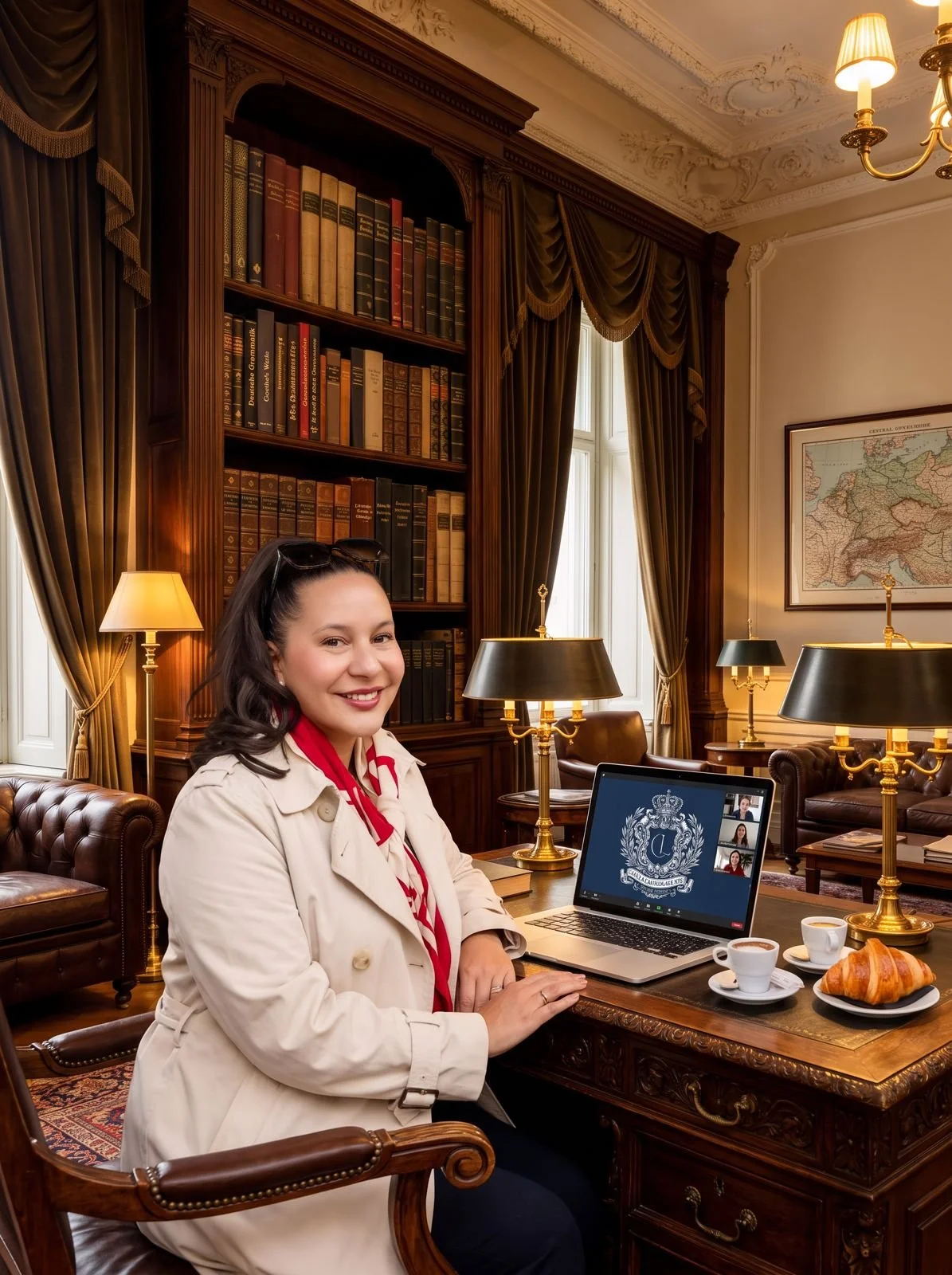
When people think of learning German, the first words that come to mind aren't always fun, expressive or full of personality.
German has a bit of a reputation: rigid, serious, grammar-heavy and, let's face it, sometimes taught without much passion. You might picture a traditional classroom, a textbook open to the same page, vocabulary lists to memorize and every student moving through the same material at the same pace.
I am pretty much the opposite of that.
As the daughter of immigrants and someone who grew up between languages and cultures and lived all over the world, I have never experienced language as something that belongs only inside a classroom. Language is personality. It's culture. It's connection. It's how we tell stories, make jokes, travel, communicate and understand the world around us.
And that's exactly what I bring to German.
A little more flavor. A little more personality. And a lot more life.
That doesn't mean throwing grammar and academics out the window. Quite the opposite. I believe students need strong foundations in speaking, reading, writing, vocabulary and grammar. But I don't believe those foundations need to be taught in a rigid, one-size-fits-all way.
That's why I created Csilla Language Lab: a place where strong academics meet creativity, technology and real-world language, and where the student, rather than the textbook, is at the center of the lesson.
One Student. One Learning Journey.
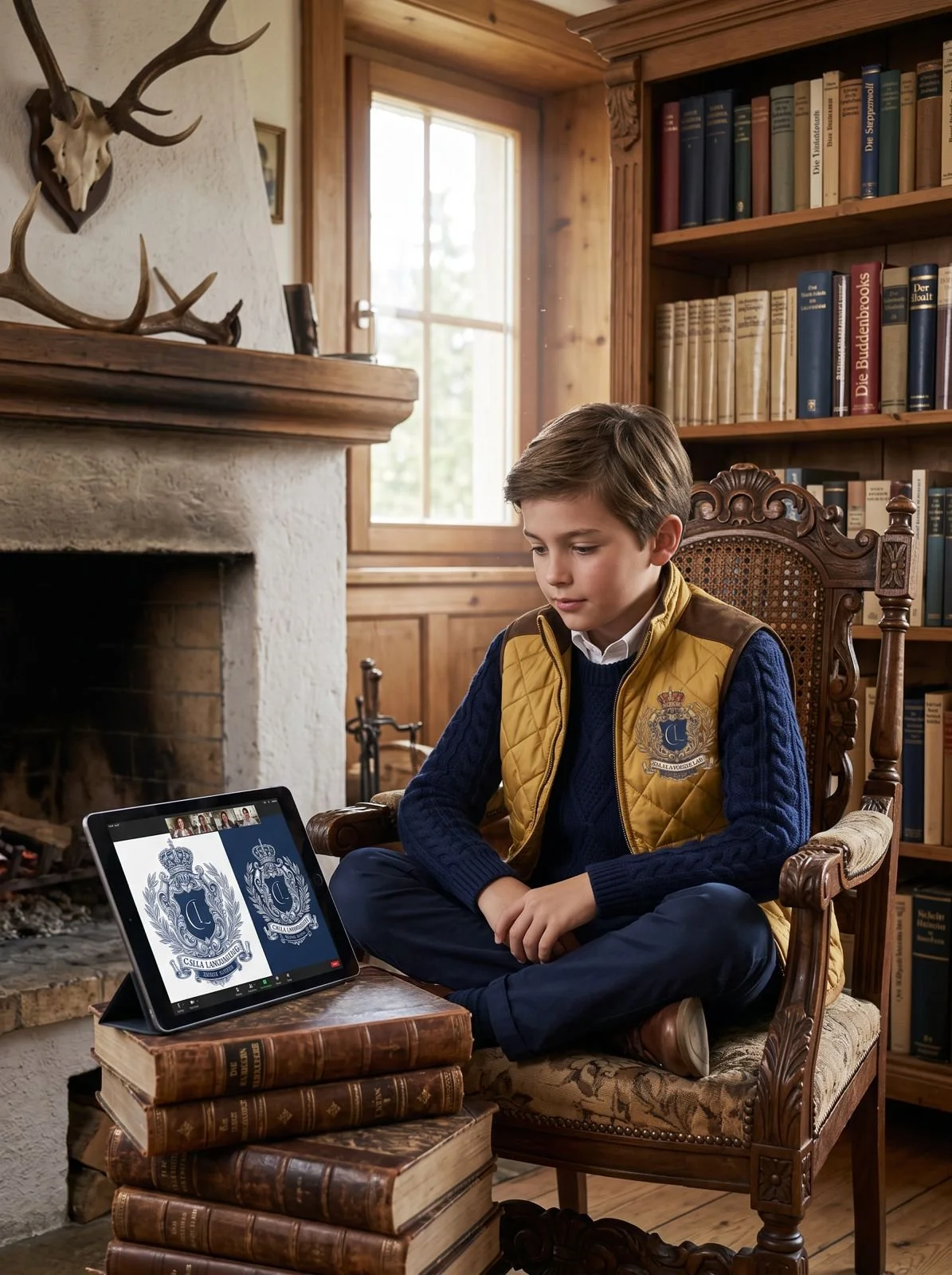
Not two students walk into the Language Lab with exactly the same background, personality, interests or goals.
Some are growing up in multilingual families. Some are complete beginners learning their first German words. Others already speak German but need to strengthen their grammar, reading and writing. Teenagers may be working toward an A1–C2 certificate, while adults may want to feel more confident using German socially or professionally.
So why would I teach all of them in exactly the same way? I don't. Classes are adapted to each student's age, level, interests, learning style and goals.
If a student loves football, we can bring football into German. If they love books, we can work with stories and literature. If they're preparing for an exam, we'll get serious about grammar, writing and test preparation. If they need confidence speaking, conversation becomes a bigger part of our work.
The academic foundation remains strong. The route we take to get there is personal.
Academics Without the Traditional Classroom
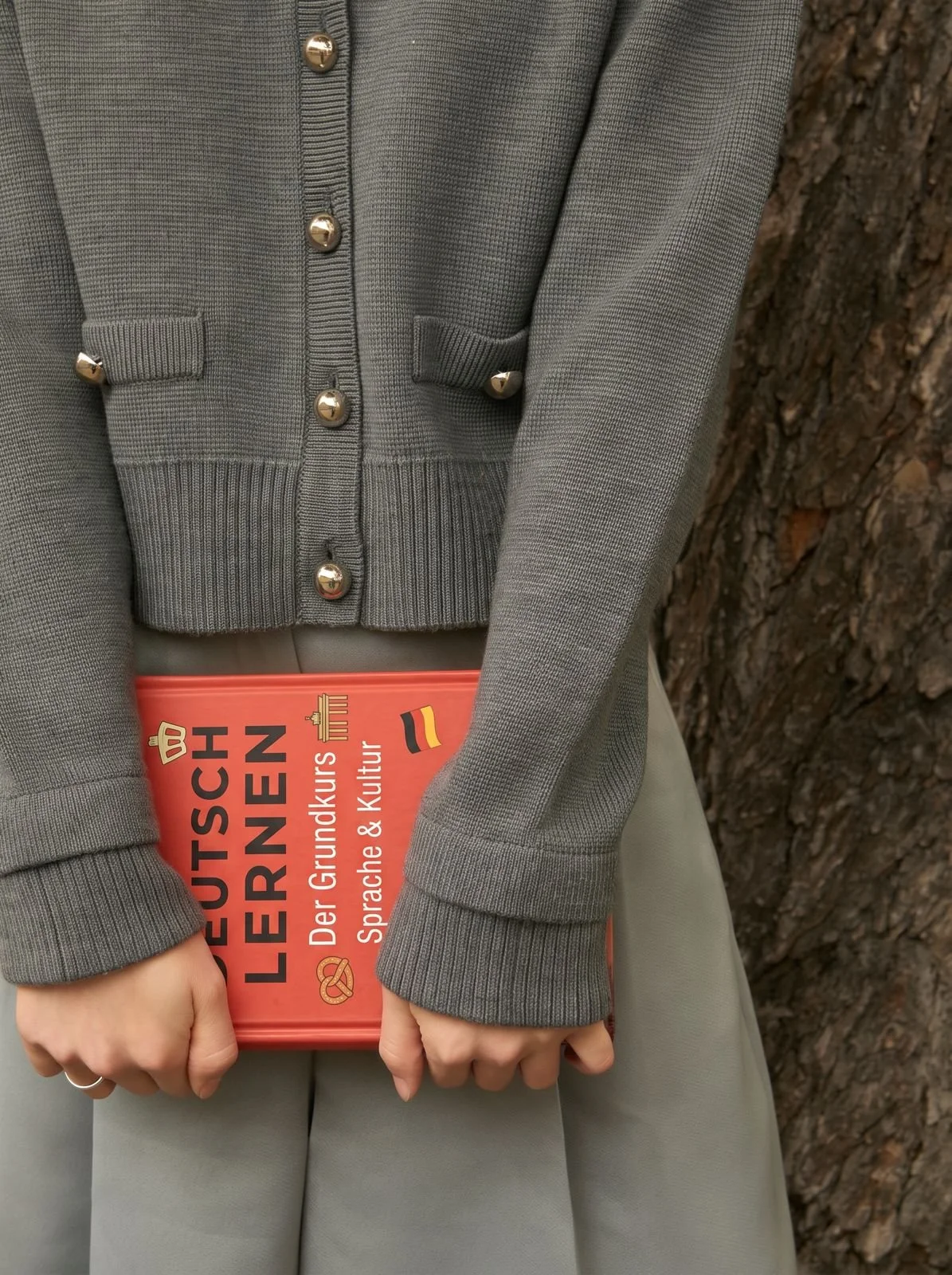
Doing things differently doesn't mean doing less.
Grammar matters. Vocabulary matters. Reading and writing matter.
But learning them doesn't always have to mean completing page after page of the same textbook.
At CL, we might learn vocabulary through a story, practise grammar while discussing something a student genuinely cares about, analyze characters in a German book, use an interactive quiz, write creatively or turn a real-life situation into a conversation exercise.
For younger learners, that might mean songs, games and visual activities. As students grow, the material grows with them, moving toward more complex literature, writing, grammar, discussion and eventually certification preparation.
Students are still learning the structures of the German language. They're simply learning them in ways that give those structures context and meaning.
Fun and academic are not opposites.
At Csilla Language Lab, I believe they work best together.
Where Education, Creativity & Technology Meet
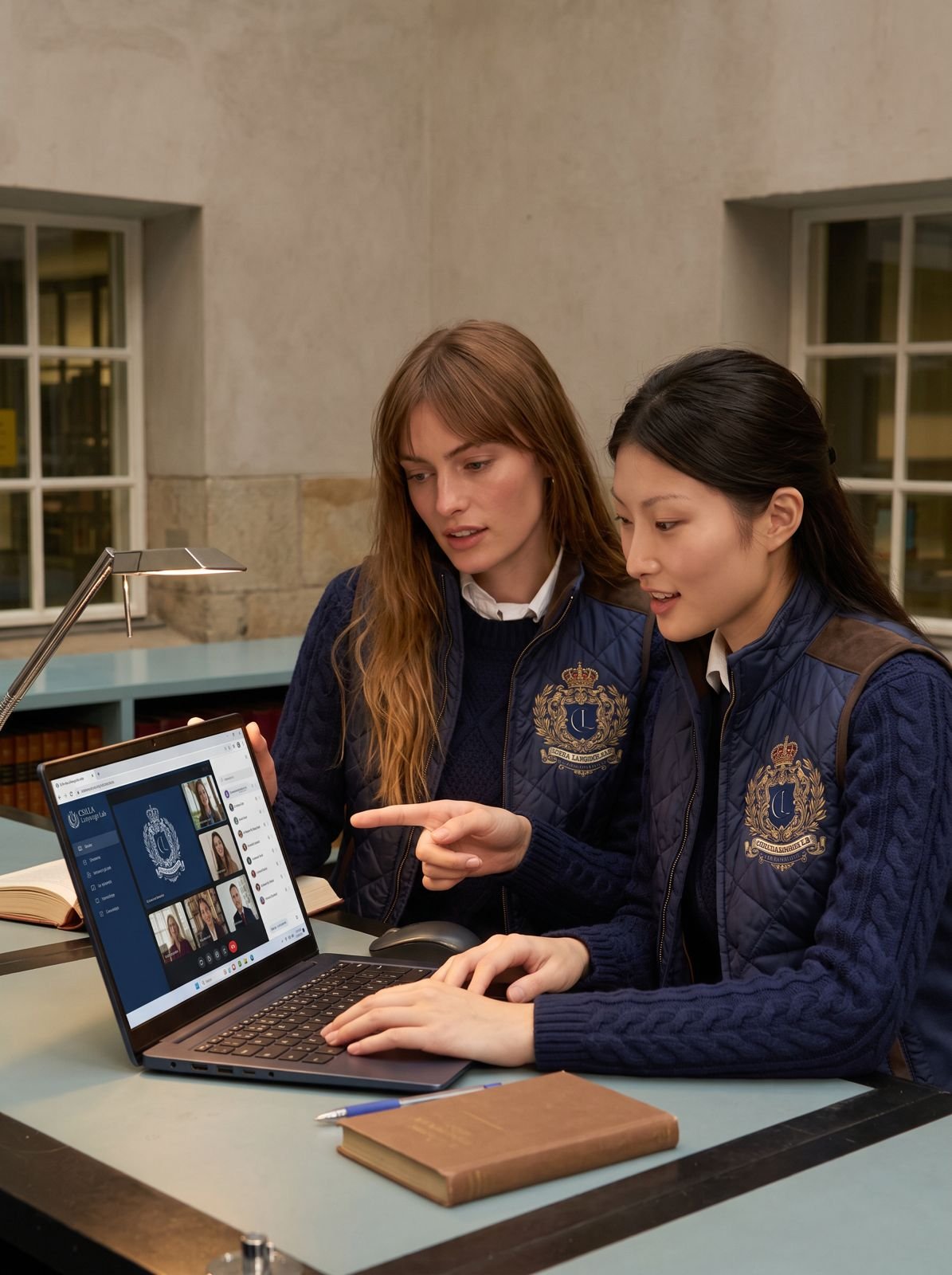
My own background has always lived between different worlds: performing arts, literature, education, technology and content creation.
That combination has shaped the Language Lab.
I also work in social media and content creation, which means I understand the digital world today's children are growing up in. This is a generation surrounded by TikTok, Reels, short-form video, interactive content and information available within seconds.
Their relationship with language, communication and learning is different from the one many of us grew up with.
Rather than pretending that world doesn't exist, I bring elements of it into the way I teach.
A CL lesson might combine a traditional grammar exercise with an interactive quiz, a children's story with video, creative writing with digital activities, or textbook vocabulary with the modern German students actually hear and encounter in everyday life and online. Technology isn't there simply because the classes happen online.
It's part of making German relevant to the world my students actually live in.
That doesn't mean every lesson needs to become entertainment or that we're chasing the latest TikTok trend. Strong academics still matter. The difference is in how we deliver them.
Because if children are growing up in a fast-moving digital world, I don't believe language education should feel like it has been frozen in time.
Language evolves. The way children communicate evolves. The way they learn evolves. And the classroom should evolve with them.
German Beyond the Lesson
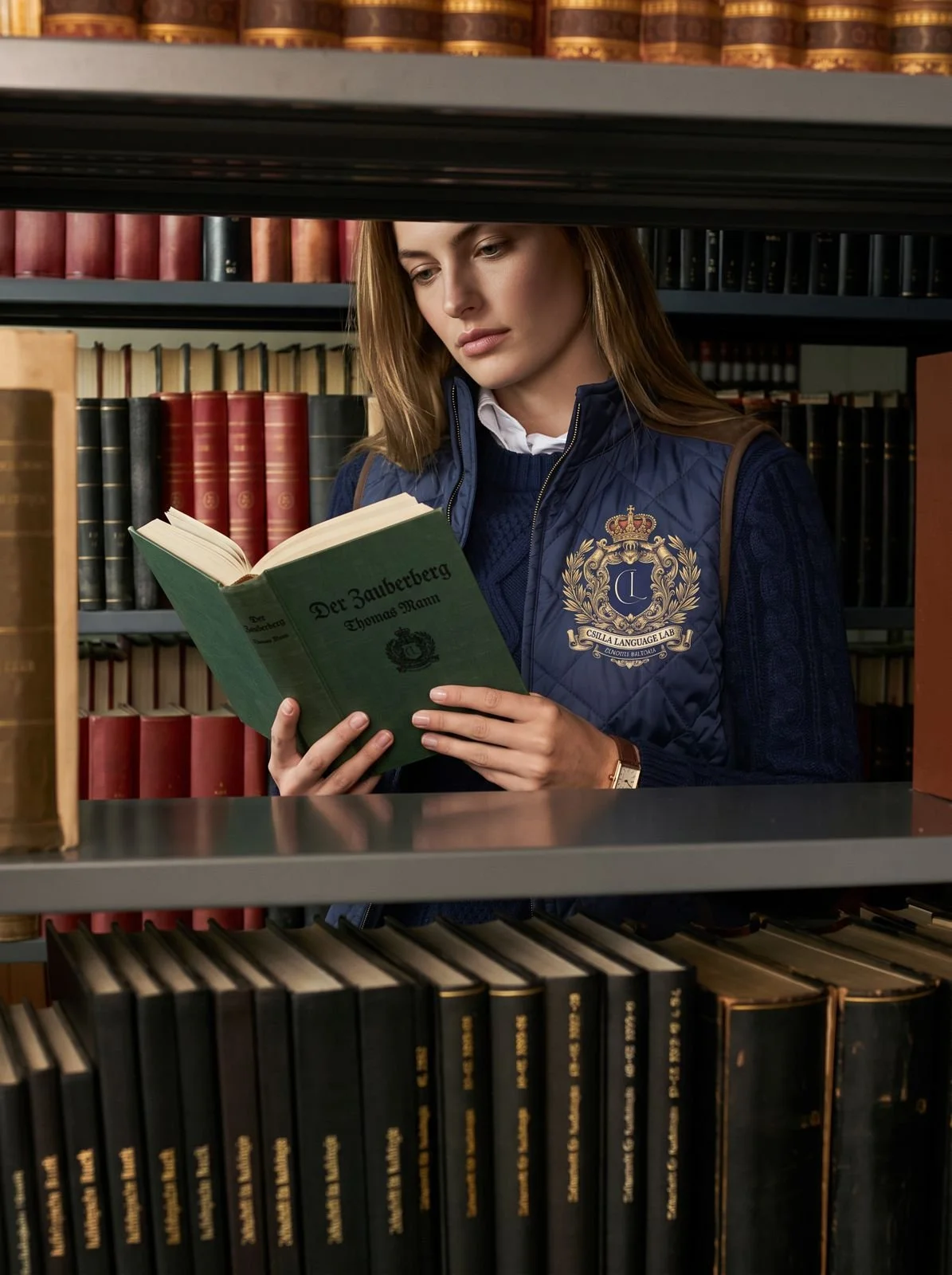
One of my biggest goals is for students to stop seeing German as something that exists only during their weekly class.
German is something they can speak, read, travel with, study in and eventually use professionally.
A child might start with their first words and simple conversations. Later, they may begin reading German books, writing longer texts and discussing more sophisticated topics. Eventually, German can become an academic qualification through A1–C2 certification or even part of their future university or career plans.
That's also why Csilla Language Lab continues to grow beyond traditional weekly lessons, with private classes, small groups, certification preparation and German book clubs. The goal isn't simply to complete another worksheet.
It's to build a language they can take with them into the world.
A Classroom Without Borders
Csilla Language Lab is based in Switzerland, but our classroom has never really had one address.
Students join from different countries and time zones. They learn from home, while traveling and sometimes after their families have moved to an entirely new country.
That flexibility has become part of the philosophy behind CL.
The world my students are growing up in is increasingly international. Families move. Children travel. Education crosses borders. Technology allows us to stay connected in ways that weren't possible in a traditional language classroom.
So perhaps the most traditional thing about Csilla Language Lab is the belief that education matters.
Everything around that can evolve.
The classroom doesn't have to be defined by four walls.
The textbook doesn't have to dictate every lesson.
And German certainly doesn't have to be boring.
It can be academically strong without being rigid.
It can be challenging without losing creativity.
It can embrace technology without losing substance.
It can be personalized without lowering expectations.
And yes, German can have a little flavor.
Welcome to Csilla Language Lab.
Based in Switzerland. Learning worldwide.
