

12 Questions Parents Ask Me

Teaching across continents, I work with families from North America, Europe, and Asia. No matter where they live, the questions around language education and bilingualism are remarkably similar. These are the ones I’m asked daily.
1. “My child understands German, but won’t speak it. Is that normal?”
Yes — very normal. Understanding (receptive language) usually comes before speaking (expressive language). Many kids go through a “silent phase,” especially when they don’t need German in daily life. The goal is gentle, consistent exposure without pressure — the speaking will come.
2. “Will learning multiple languages confuse my child?”

No — and I’m a perfect example of why.
I grew up speaking several languages and moving between cultures. It never confused me. It taught me how to adapt, understand different perspectives, and feel at home in more than one place.
Multilingualism doesn’t create confusion — it creates flexibility.
It’s not a disadvantage, it’s a huge plus.
Speaking multiple languages is one of the greatest gifts you can give your children.
3. “How long does it take to become fluent?”
There’s no single timeline. Fluency depends on exposure, consistency, age, motivation, and whether the child needs the language in real life. Instead of focusing on “How fast?”, focus on: Are we building weekly habits that keep German alive? Progress is always happening — even when it feels slow.
4. “We’re an American family and don’t speak German at home — can our child still become bilingual?”
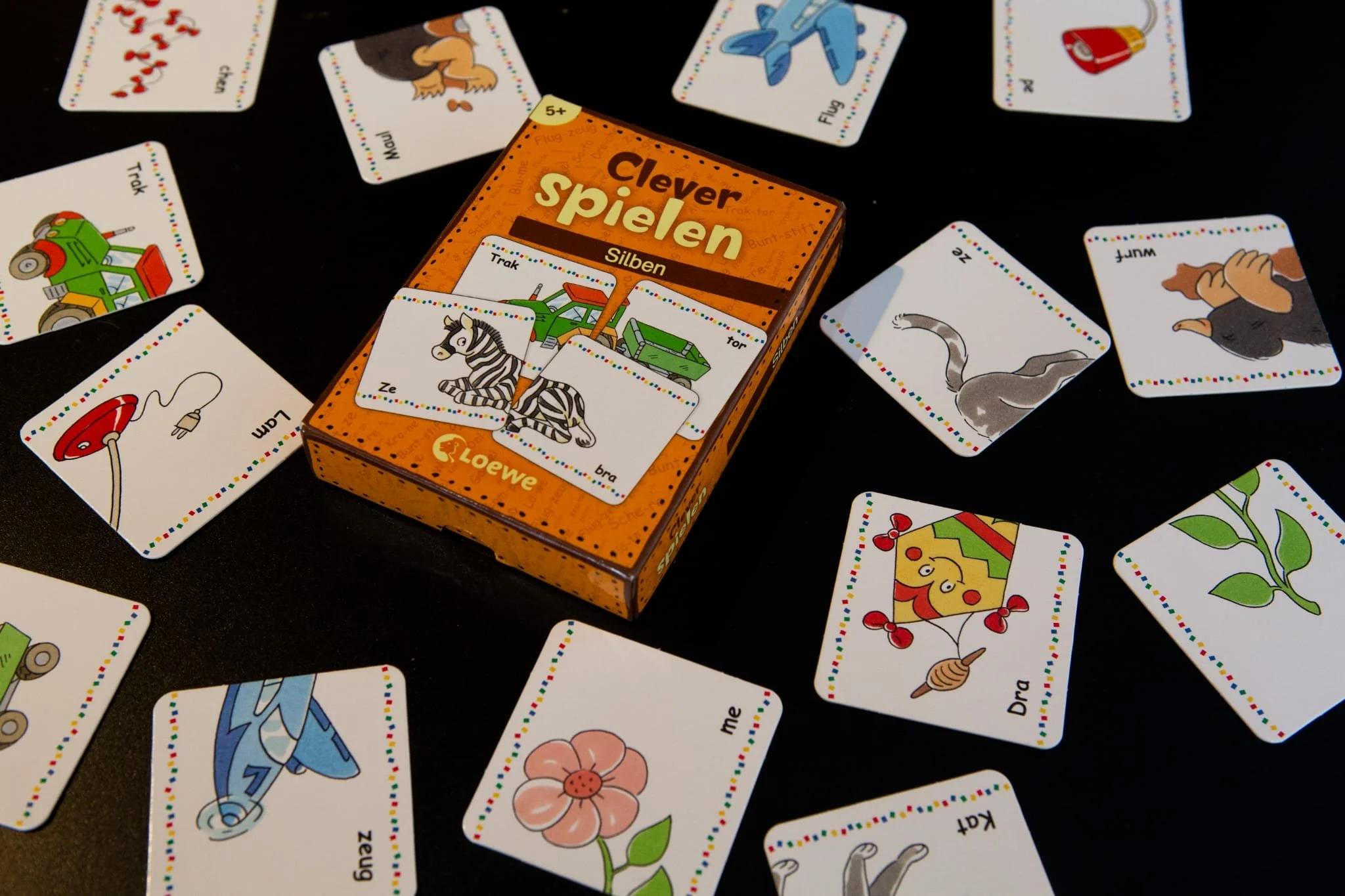
Yes. But bilingualism won’t happen by accident — it needs design. If parents don’t speak German, you can still create a German ecosystem: a teacher, play-based routines, media in German, books, German-speaking playdates, camps, or family friends who speak it. The key is consistency and making it feel normal.
5. “How do we keep German in the household when our child doesn’t speak it all day?”
Think: small daily touchpoints + weekly deeper immersion. Even 10–15 minutes daily matters if it’s consistent: a German breakfast routine, a “German-only” bedtime block, Saturday morning German cartoons, or one daily activity always in German. Keep it predictable, not exhausting.
6. “How do we keep children motivated to learn German in today’s tech world?”
Use technology on purpose. Let them watch Netflix shows in German, follow German YouTube channels, listen to German music, or even switch games like Minecraft into German. Motivation skyrockets when it’s built around their interests — not what adults think they “should” like.
7. “How important is reading for language learning?”
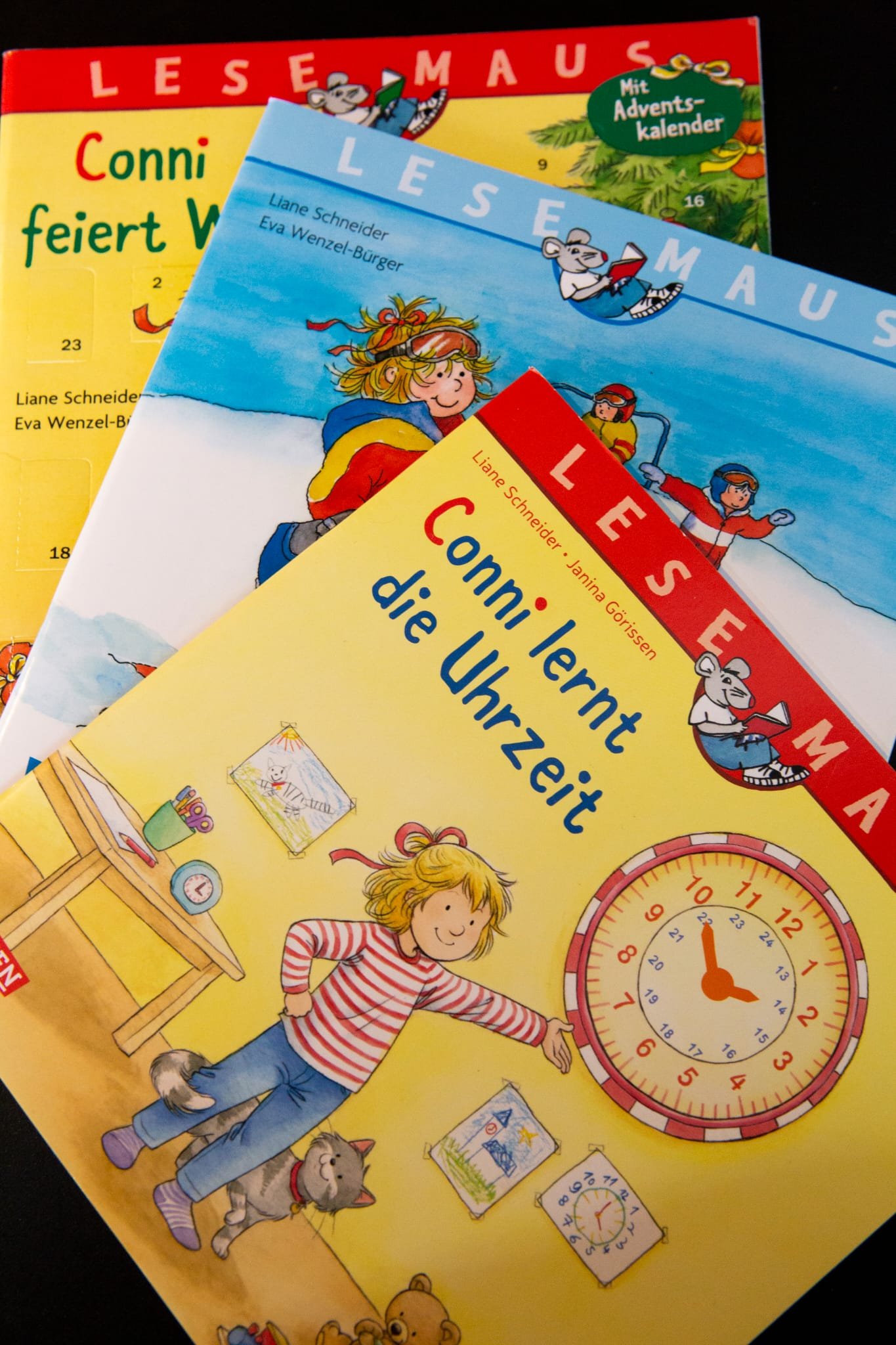
Massive. Reading builds vocabulary, sentence structure, and comprehension in a way worksheets can’t. Even better: make it part of the bedtime routine. Ten minutes of a German book every evening — calm, consistent, and cozy — is one of the fastest ways to grow a second language long-term.
8. “My child mixes languages in the same sentence — should I correct it?”
No need to correct harshly. Mixing languages is normal and actually shows the brain is working with both systems. Model the correct sentence back gently in German. Over time, as vocabulary grows, the mixing naturally decreases.
9. “Do we need ‘perfect German’ at home to raise a bilingual child?”
No. You need consistency, not perfection. Kids don’t need flawless German — they need regular exposure, emotional safety, and repetition. If you’re a parent speaking German as a second language, speak it anyway. Confidence matters more than accuracy.
10. “We moved to Switzerland recently — public school or private school?”
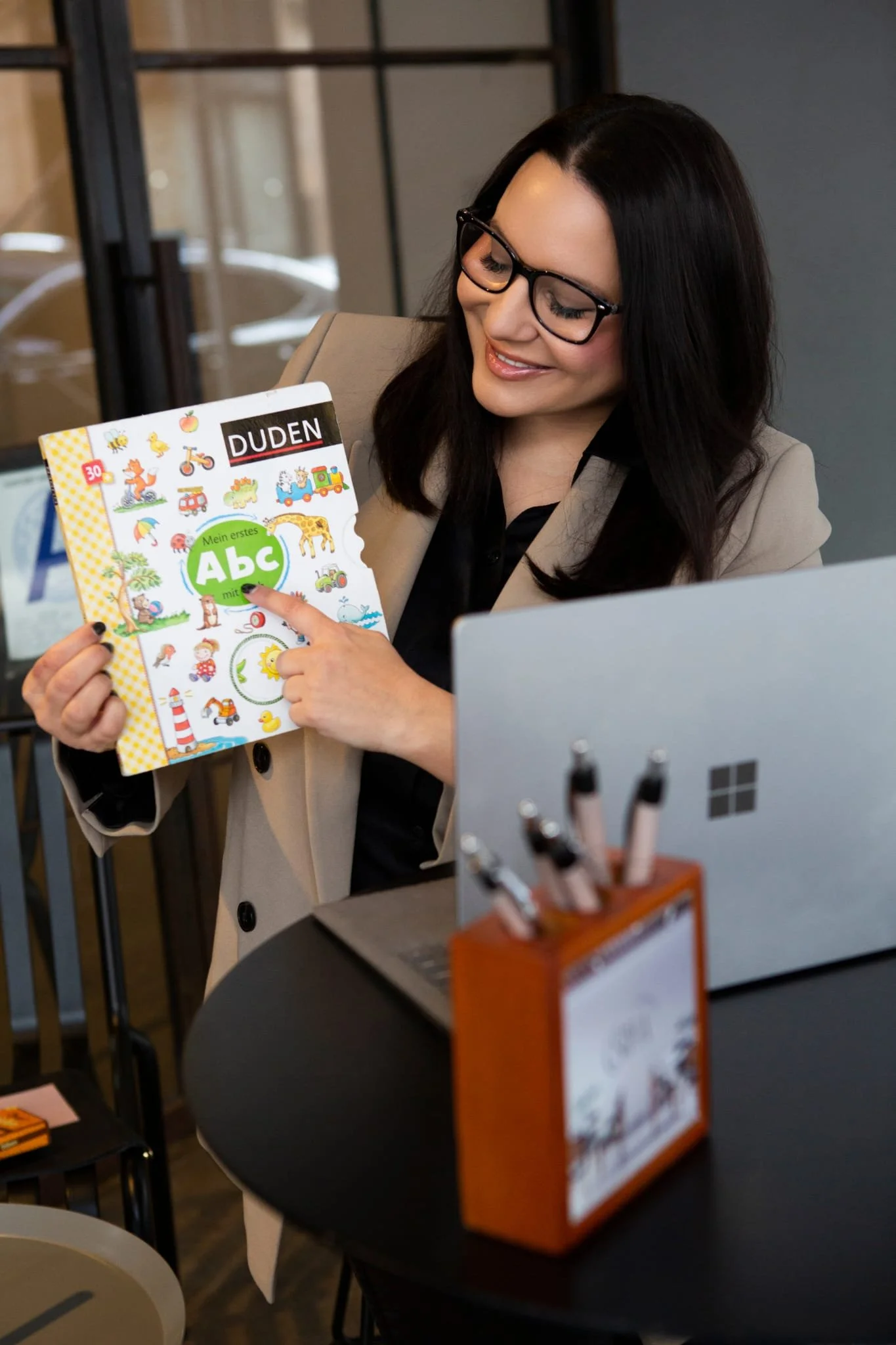
It depends on your child, your family goals, and how long you plan to stay. Swiss public schools are strong — and they’re big on structure, responsibility, and respectful behavior. Private or international schools can offer flexibility, smaller classes, and smoother transitions for expat families.
11. “When does international school make sense?”
International school can be a great choice if your family wants an international base, plans to move again, or wants a globally recognized diploma (like IB). It can also support children who need time to transition into a new system without losing academic confidence.

12. “What matters most for raising a bilingual child?”
Not pressure. Not perfection.
What matters most is: consistency + emotional safety.
Kids learn a language when it feels meaningful, normal, and part of who they are — not a performance.
